Strategic Planning is not the same as Execution.
For leadership teams that need help building plans that lead to execution, or teams that could use an experienced facilitator to enhance their process. As an executive who has seen everything from 3-ring binders to One Page Plans, I can help you build and execute a planning process that goes beyond the boardroom.
I have sat in both chairs, running the process as the facilitator and living with the plan as a participant. So I build in the parts most plans skip: clear owners, a working cadence, and honest check-ins that keep it driving decisions long after the offsite.
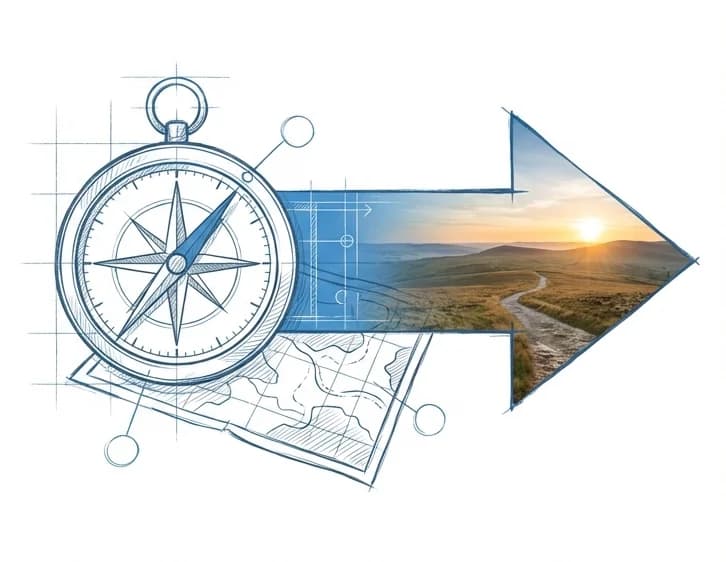
The plan is not the problem. Execution is.
Different studies tell us roughly the same thing: execution, not strategy, is where planning falls short. The work of writing the plan gets celebrated. The work of running it afterward gets skipped.
The exact figure depends on how you define failure. A 2015 academic review found failure rates anywhere from 7% to 90%, with an average of about 50%.
That's a coin flip, and frankly, that sucks.
If you want a plan with frameworks that head off change fatigue and give your team visibility into how their work contributes to goal attainment, let's talk.
The Greatest Hits of Poor Planning
Planning takes a lot of shapes. A day away as a team, a document a leader writes alone, a list of goals set in January, or a fresh strategy every time a new problem shows up. Whatever the format, plans tend to fall apart in the same few places. If one or two of these sound familiar, you are in good company.
A planning process built to execute.
I do not run a feel-good offsite and hand you a document. We write goals that are built to be executed, specific and measurable, as OKRs with SMART key results, so a vague aim like "improve customer experience" becomes a target you can actually track. Then we run those goals on a framework proven to keep execution in front of the team, the 4 Disciplines of Execution.
Focus on the wildly important
Narrow to the few goals that would matter most, instead of a wish list of twenty priorities that dilute everyone.

Act on the lead measures
Track the handful of activities that actually drive those goals, not just the lagging scoreboard you cannot change anymore.
Keep a compelling scoreboard
Progress stays visible and simple, so every person knows at a glance whether the team is winning.
Create a cadence of accountability
A short, regular check where owners report, learn, and course-correct. This is the discipline that keeps a plan alive.
OKRs and SMART goals make the plan clear. The 4 Disciplines keep it moving. In practice that comes down to a few rules I have watched hold up under a real workload: limit the team to one or two active projects at a time and finish before adding anything new, keep check-ins to 15 minutes inside meetings you already hold, and make every quarterly review a decision to continue, close, or promote each project. No new standing meetings. That is how a plan survives a busy year instead of adding to the pile.
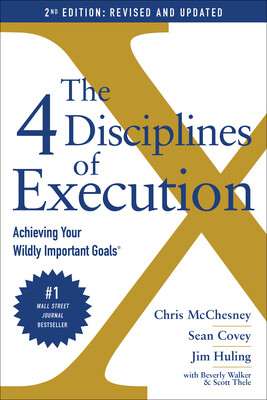
The 4 Disciplines of Execution
This is the playbook behind the execution half of my work. If you want the full method I use to keep a plan moving after the offsite, start here.
View on AmazonTwo ways Ascent can enhance your planning process:
Some teams need a sharp session run well. Others want a partner through execution, not just the offsite. Start wherever fits, and step up if you want more support.
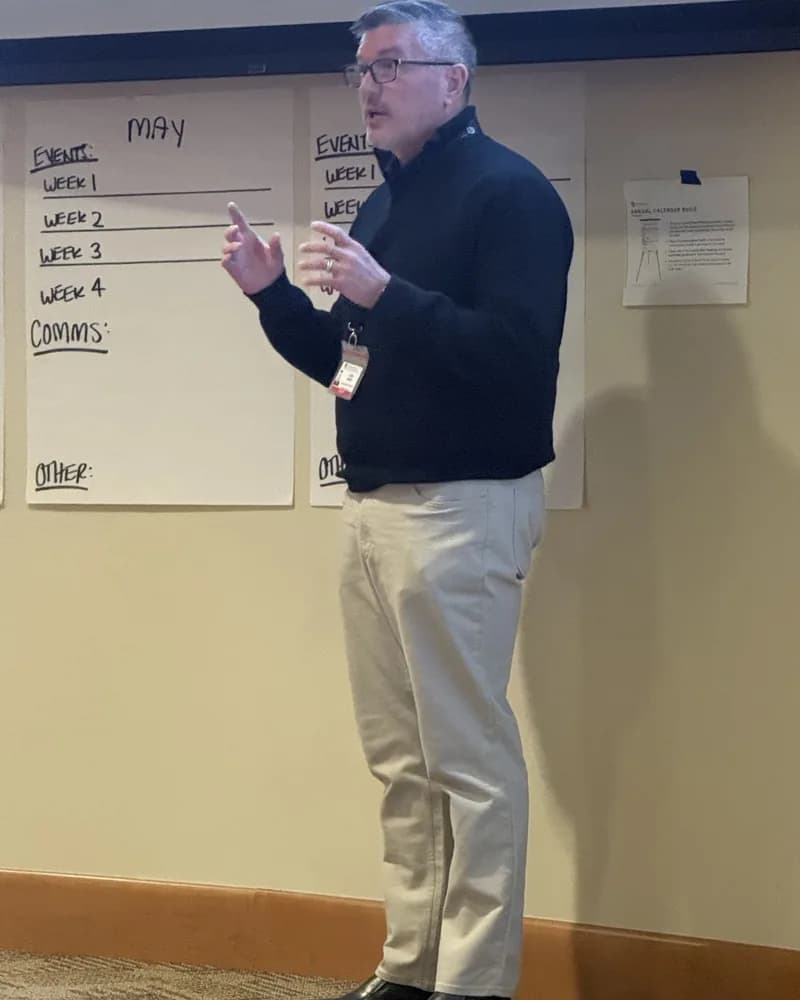
Sometimes the first job is not strategy at all. It is getting everyone's calendar and commitments lined up, what are we doing and when. I run annual calendar planning as pre-strategy work, so when the strategic conversation starts, it starts from one shared, realistic picture of the year.
What comes out of it- One annual calendar of events, communications, and commitments everyone can see
- Crunch periods and conflicts surfaced early, before they collide
- Owners and dates on every item, so nothing sits as a vague someday
- A shared, realistic picture of the year, so strategy starts from facts
A typical full-service engagement runs like this:
Set the objectives. We name a small set of objectives, the sorting framework for the whole year, and write them as OKRs with SMART key results.
Scope the work behind them. Objectives become a short, ranked list of projects, each mapped to an objective with a named lead who owns the updates.
Stand up the scoreboard. A simple status read, on track, slow, or behind, that everyone can see, so progress is never a guess.
Run the cadence. Short check-ins inside meetings you already hold, plus a quarterly review that continues, closes, or promotes each project. The plan keeps driving decisions all year.
Get to a plan that moves.
Bring the team and the pressure you are under. I will bring the process that turns a day of good conversation into priorities your people actually run with.
Book a discovery call